

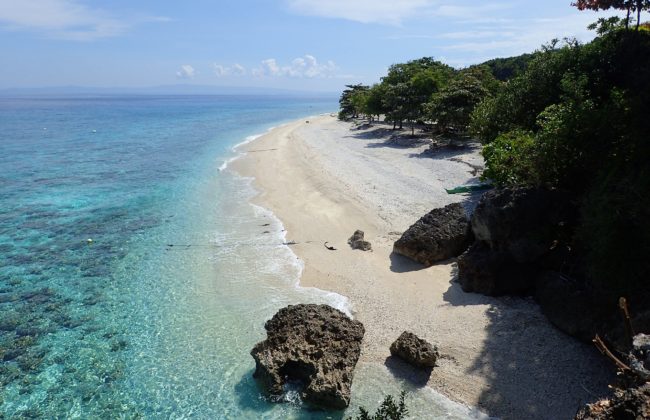
The Philippines are known for its beautiful beaches, aqua blue sea and famous for its most beautiful coastlines in the world. Did you know that the Philippines consist of more than 7,000 islands? Enough to explore! You can find this special archipelago in South East Asia between the Philippine Sea and the South China Sea. On the world map located on the right hand above the Eastern part of Malaysia on Borneo island.
The country has been the largest Catholic country of Asia since the Spanish colonial times and is a unique place to visit. Different ethnic groups, various foreign influences and a mixture of culture and arts have enriched this fabulous country. One of the countless islands of the Philippines is Cebu, an amazing piece of paradise and a perfect base to swim with the whale sharks.

The beaches of Cebu
Cebu is situated in the Philippines central area known as the Visayas. The main attractions are its white-sand beaches, spectacular diving spots, and of course whale shark watching, but Cebu has so much more to offer. The people in Cebu (Cebuanos) are very friendly and welcome guests with warm hospitality. They are eager to share their island’s colorful stories and invite you to taste their favorite local food. When you meet the locals it is a nice way to learn and understand their culture and traditions.
Underneath you find the list of Cebu’s most important heritage sites, nature’s beauties and other hotspots you shouldn’t miss out.
1. Walk down the famous Colon Street
Exploration of history in Cebu is incomplete without walking down the ever so-famous Colon Street, which is the oldest street and the shortest national road in the Philippines. The street has been named after Cristobal Colon (or ‘Christopher Columbus’) and was developed during the Spanish rule in the sixteenth century. The entire street is very busy, and there are thousands of shops which give you a good feeling of the hectic city life.
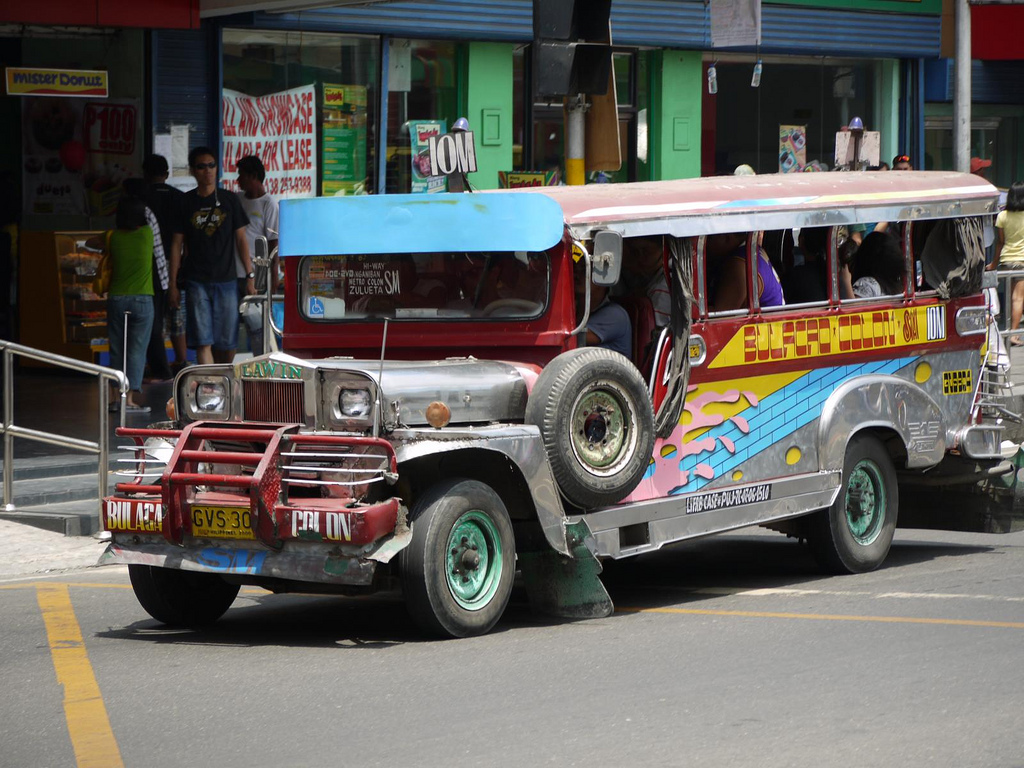
Don’t forget to stop at the illustrious Heritage of Cebu Monument. Here you will find an amazing collection of sculptures that mark the significant historic events of the city.
2. Visit the historical Magellan’s Cross

Magellan’s Cross
The Magellan’s Cross is one of Cebu’s famous historic landmarks, and a symbolic mark of the Christianity conversion movement in the Philippines. You can view it in the chapel called ‘Kiosk’, a small stone building next to the Basilica Minore Del Santo Niño.
The Christian cross was planted by the Spanish and Portuguese explorers headed by Ferdinand Magellan on their arrival in Cebu around 1521. When you are admiring this landmark, try to imagine the history that took place under your feet.
3. Stop at the Basilica del Santo Niño
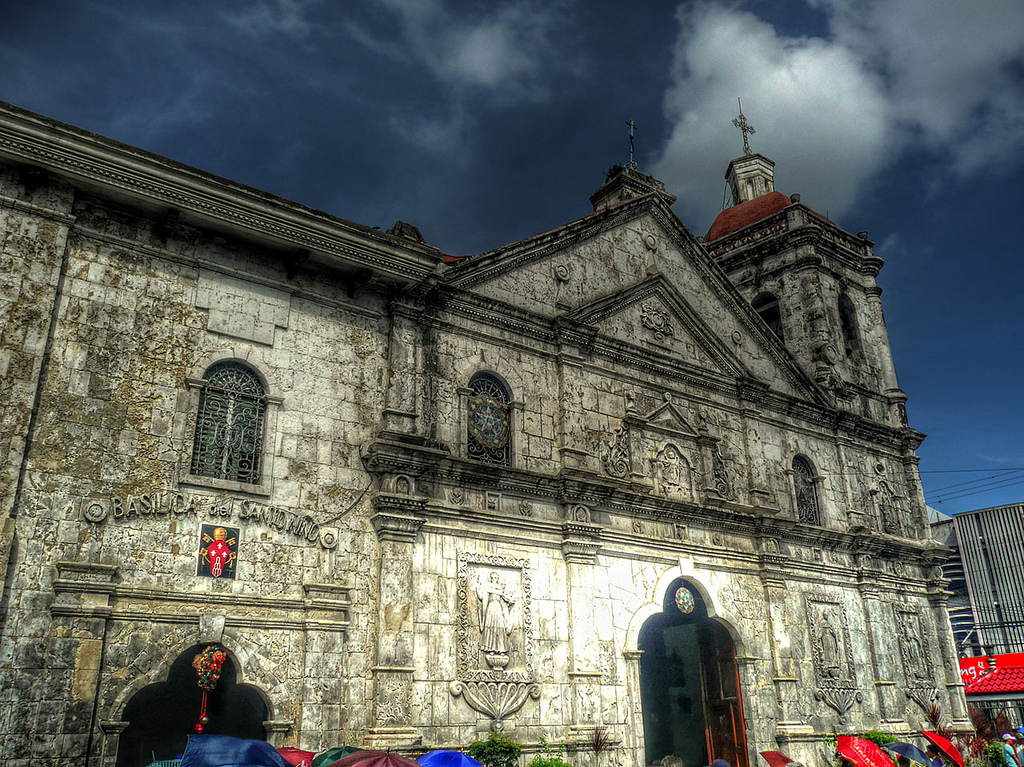
Santo Niño, or the Basilica of the Holy Child, is the oldest Roman Catholic Church established in the Philippines. It was built in the year 1565 and houses the image of Santo Niño, which is a very important religious picture for the people in Cebu.
4. Explore Fort San Pedro
Built by the Spanish when they conquered Cebu (early 1700s), the San Pedro Fort is one of the most magnificent defense structures in the Philippines. This triangular shaped fort has two sides facing the sea and another one facing the land.
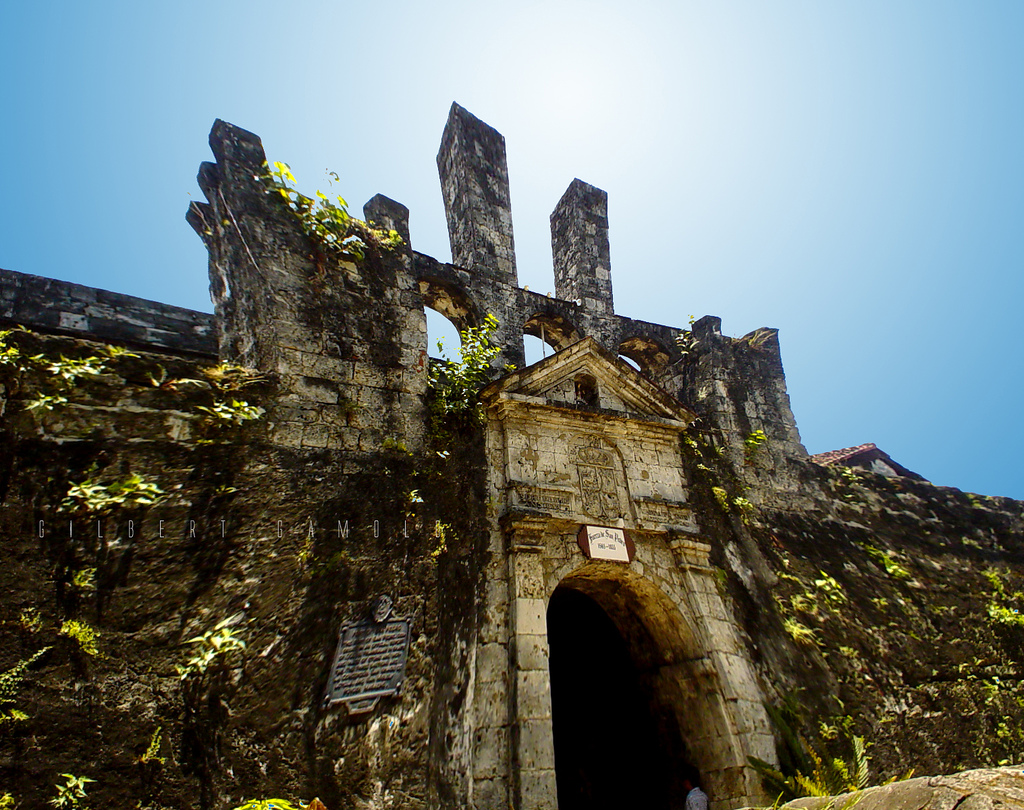
You can tour (at a small cost) around the fort and learn about the history through photos and artifacts. It’s located in Plaza Independencia right next to the main pier, and a short walk away from Magellan’s cross.
5. Swim with whale sharks in Oslob
For many sea lovers, it is a dream to swim with whale sharks. These huge animals swim slowly, as giant arks, in the waters of Oslob. Many people fly to Cebu to travel to Oslob for this whale shark experience. It is a little bit a tourist attraction, but nonetheless a very unique experience.

Photo by Rhi Davison
These migratory whale sharks, also known as ‘butanding’ or ‘tuki’, came to Oslob waters about 5 years ago in 2011 and have never left since. The local fisherman’s were feeding them with small shrimps and ever since they never left. The diet of these huge animals consists of plankton and small fishes and they are no threat to people.
The whale sharks created a new form of tourism, where people are allowed to swim with these special animals. For those that prefer not to jump in the water (I totally understand because they are very big), you can also stay on the boat and observe them when they curiously swim around you.

Yes, I did it!
6. Try out Cebu’s waterfalls
Where in Cebu can you swim in fresh waters? What about its waterfalls! The countless waterfalls in the south of Cubu bring you closer to ‘Mother Nature’. Each waterfall has a unique characteristic. Visit Kawasan Falls‘ unbelievably clear water, or maybe the raw beauty of Tumalog Falls.
Instead of fast moving water (like most waterfalls), Tumalog Falls water sorts of trickles down. It is a perfect place for bathing in the water. Explore the rain forest around, or lay down in the sun and catch some suns rays.
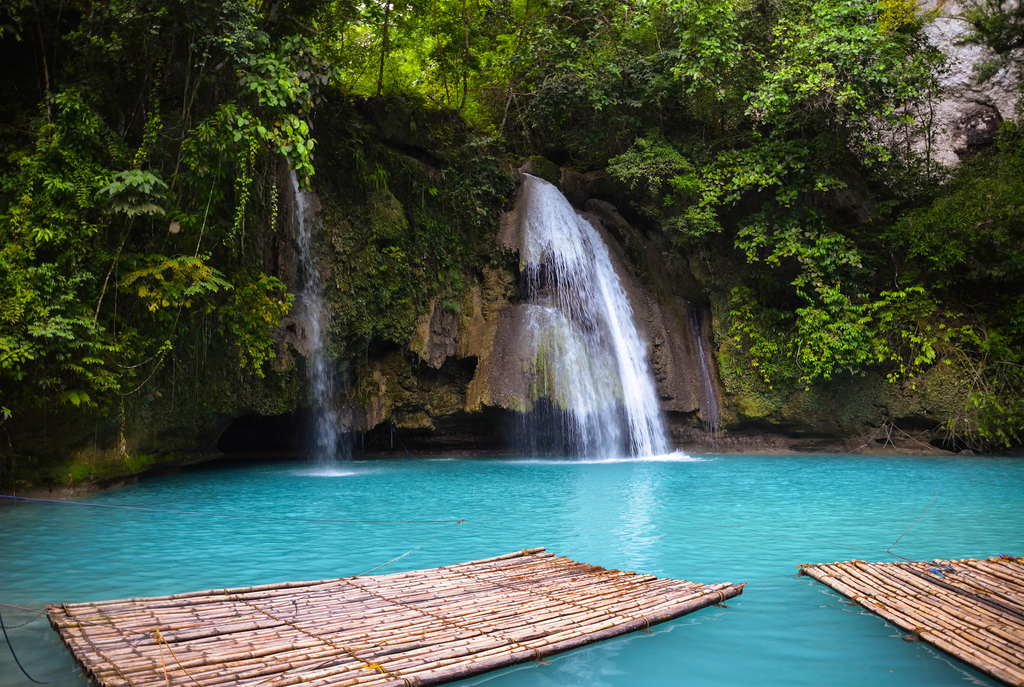
Probaby the most popular fotospot at Cebu. Kawasan Waterfalls are stunningly beautiful. You can float along and relax on a bamboo raft hearing the sparkling sound of the falls. The water of both falls is very cold, so pick a sunny day and bring your towel with you.
7. Climb to the top of Cebu
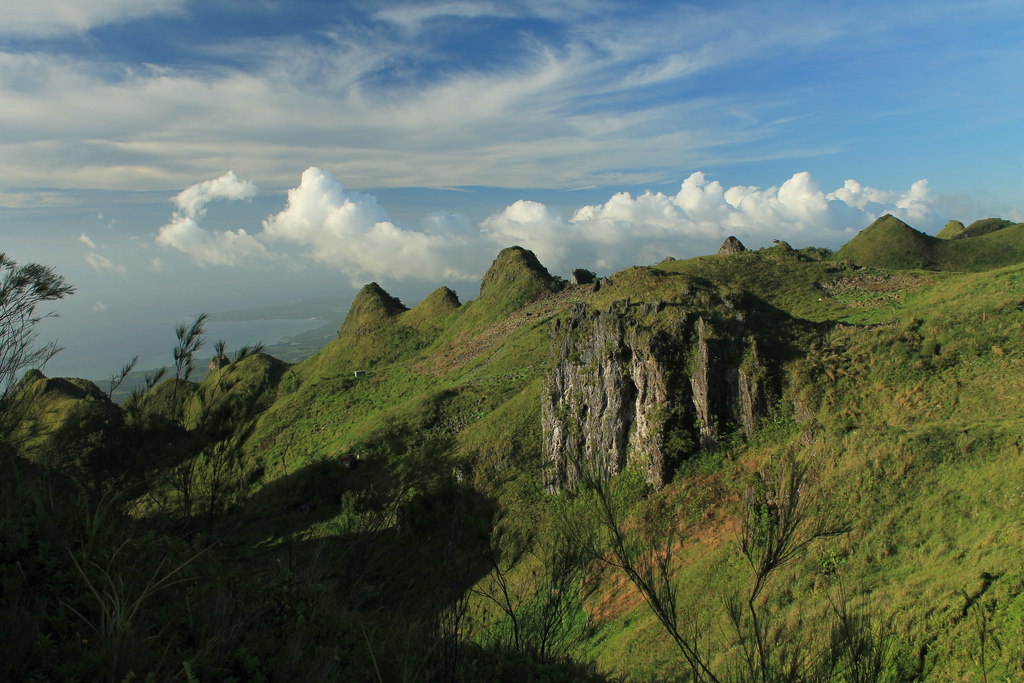
Boundless mountain ranges and hills arise over the island of Cebu, but Osmeña Peak dominates above all. Surprisingly, the 1,013-meters mountain whose raw and rugged beauty arguably rivals the better known Chocolate Hills of Bohol, is one of the most easiest to climb which leaves you no reason not to climb this “peak” 😉
8. Underwater world
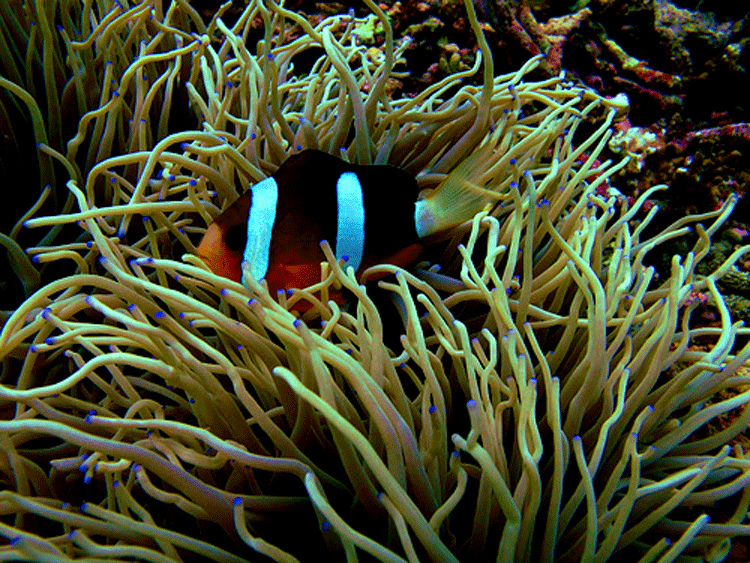
The province of Cebu, is a first class dive destination. Thanks to its blooming marine ecosystem. Moalboal’s underwater beauty is reputed as one of Cebu’s finest, and must be on the top of the bucket list of every passionate diver. You can’t miss this out!
9. Beach life of Cebu

Photo by coolnumber9 
The tiny town of Moalboal is not only a great spot for diving, it also houses one of the most splendid beaches of the island. Basdaku Beach-a long stretch of white sand beach in the southern part of Cebu-seems paradise. The name Basdaku comes from two Cebuano words bas (‘sand in English) and daku (‘big’ in English), so Basdaku literally means ‘big sand’ 🙂
10. Taste Philippines national dish
When visiting Cebu you don’t need to worry about food, because there is a lot of variety of dishes too choose from. Personally I am not a big fan of the Filipino food (especially when you are used to the Thai food). However when you know what you should choose (like sizzling pork) you can ask for it.
You must try for instance the national dish of the Philippines: the lechon (roasted pig stuffed with herbs and spices). The exquisite lechon of Cebu characterizes the tenderness and warm gestures of the people and how they make their national dish the most tasteful of all.

The locals, childeren always smile 🙂 Photo by JDS Fine Art & Fashion Photography
How to get to Cebu
The fastest way to get to Cebu is by plane. Cebu is an international destination with flights from Singapore, Hong Kong, Malaysia, Japan, and South Korea. From Manila, you can reach Cebu either by plane, which takes just an hour. My favorite is Filippines Airlines, but you can also choose to fly with Cebu Pacific. Cebu is an ideal jump-off point for other tourist attractions in Visayas.
Finally, whale shark video
My absolute highlight of this journey to Oslob was swimming with the whale sharks. Are you curious what you can expect? Watch this video of this unique experience below:
Do you want to know more about the Filippines or do you want to plan a round trip? You can leave your comment below or send me an e-mail. I am more than happy to answer all your personal questions, because the Filippines are my favorite!